The Evolution of Logo Design: Trends in 2026
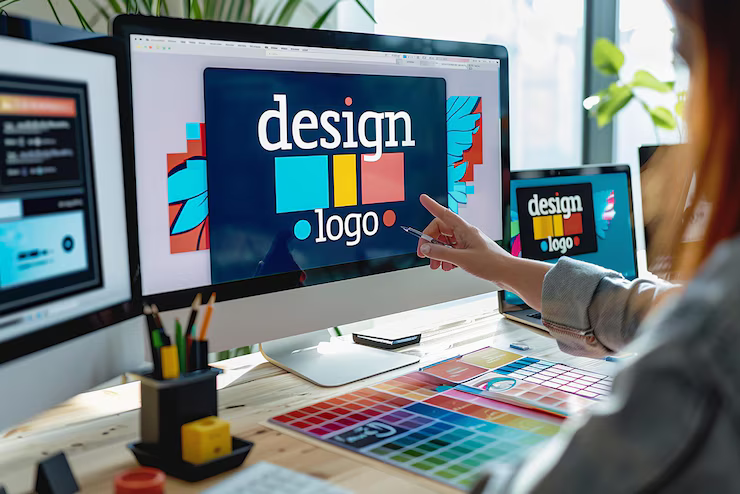
Logo design has undergone a significant transformation over the years, evolving alongside changes in technology, culture, and business practices. As we move deeper into the 21st century, the year 2026 presents new challenges and opportunities for brand identity. The trends shaping logo design this year reflect shifts in consumer behavior, technological advancements, and an increasingly diverse digital landscape.
At Chitown Digital Experts, we understand the importance of staying ahead of these trends, ensuring that your logo not only resonates with your audience but also helps in building a strong brand identity. Whether you’re a startup or an established business, understanding the key trends in logo design can help you craft a visual identity that stands out in 2026.
1. Minimalism Continues to Rule
Minimalism has been a dominant trend in design for several years, and it’s not going away anytime soon. The concept of “less is more” remains at the core of logo design in 2026, focusing on simplicity, clean lines, and a refined visual approach. Brands are increasingly favoring logos that are uncomplicated and easy to recognize, avoiding clutter and unnecessary details.
In 2026, logos that embrace minimalism focus on geometric shapes, flat designs, and subtle, yet impactful color choices. This trend helps businesses create a timeless logo that will stand the test of time, offering versatility across various platforms and mediums.
2. Custom Typography
Custom typography is making waves in 2026 as businesses strive for a unique identity. Instead of relying on standard fonts, many companies are turning to custom-made typefaces to express their brand’s personality more effectively. Typography has become a key element in logo design, with brands choosing fonts that reflect their values and positioning.
Custom fonts offer businesses the opportunity to create a logo that is instantly recognizable. Whether it’s a bold, strong font or a more elegant, sophisticated typeface, custom typography helps businesses differentiate themselves in a crowded market.
3. Responsive and Adaptable Logos
As more businesses move towards a digital-first approach, the need for adaptable logos is more important than ever. A logo that works well on a website might not look as great on a mobile screen, which is why responsive logos are becoming a key trend in 2026.
Responsive logos are designed to scale and adapt to various screen sizes, ensuring that your brand identity remains consistent and recognizable across devices. Whether your logo is displayed on a desktop, mobile phone, or even a smart watch, it should always look clear and sharp. This trend is driven by the growing need for businesses to offer seamless user experiences across multiple platforms.
4. Gradients and Vibrant Colors
In the past, flat colors dominated the logo design world, but 2026 marks the return of gradients and bold, vibrant color schemes. Gradients are being used to add depth, dimension, and energy to logos. The subtle transitions between hues create a sense of movement and fluidity, making the logo appear more dynamic.
Vibrant color schemes are also gaining popularity, as brands look to make a bold statement. Bold reds, blues, and yellows are becoming more common, replacing the more muted tones of previous years. This trend is reflective of the broader cultural shift towards individuality and vibrancy in branding.
5. Organic and Hand-Drawn Elements
In contrast to the sharp lines and geometrical shapes associated with minimalism, organic and hand-drawn elements are gaining traction in 2026. These logos tend to feel more personal and approachable, which is why they are becoming increasingly popular, especially for businesses in the wellness, food, and creative industries.
Hand-drawn logos convey authenticity and a sense of craftsmanship, allowing businesses to establish a closer connection with their audience. This trend is also a reaction to the overuse of digital perfection in logo design, offering a more human touch to branding.
6. 3D and Motion Design
The rise of digital media has opened up new possibilities for logo design. In 2026, 3D logos and motion graphics are becoming more mainstream, offering businesses a unique way to stand out in a digital-first world. These logos are not static but can be animated to create a more engaging experience for the viewer.
3D logos add depth and realism, while motion logos offer dynamic, eye-catching visuals. With the growing popularity of video content on platforms like YouTube and TikTok, businesses are leveraging animated logos to capture their audience’s attention in ways that traditional logos cannot.
7. Inclusive and Diverse Design
As global markets become more interconnected, the importance of inclusivity and diversity in design is becoming a significant trend. In 2026, logos are being designed with a more inclusive approach, taking into account different cultures, backgrounds, and perspectives. Brands are being mindful of creating logos that resonate with a broad, diverse audience while being sensitive to the nuances of different cultural contexts.
This trend also aligns with the growing emphasis on diversity and social justice in the business world. A logo that reflects inclusivity sends a powerful message to consumers that your brand values people from all walks of life, building trust and credibility.
8. Geometric and Abstract Designs
Geometric and abstract logos are gaining popularity in 2026 as brands look to communicate their identity through symbolic shapes rather than literal representations. These logos often consist of bold, abstract symbols that evoke a particular feeling or idea, allowing the viewer to interpret the design in their own way.
This trend is particularly effective for tech companies, creative agencies, and startups that want to establish a modern, forward-thinking image. Geometric shapes, such as circles, triangles, and squares, are being used in new and innovative ways to create memorable brand identities.
9. Sustainability and Eco-Friendly Logos
With environmental consciousness on the rise, many brands are incorporating sustainable values into their logo designs. Eco-friendly logos feature earthy tones, nature-inspired imagery, and minimalist aesthetics that emphasize simplicity and sustainability.
In 2026, businesses in industries like renewable energy, organic products, and eco-conscious brands are embracing logo designs that reflect their commitment to the planet. These logos often use green colors, nature-inspired motifs, and recycled or upcycled materials to communicate their dedication to sustainability.
10. Typography with Custom Lettering and Negative Space
Using custom lettering and incorporating negative space into logos is a design trend gaining traction in 2026. Custom lettering helps create a distinctive and recognizable brand image, while negative space allows designers to integrate hidden elements or messages into the logo design.
This technique adds a layer of creativity and intrigue to the design, making it memorable and engaging. Negative space, in particular, is a clever way to communicate a message or symbolize a concept without cluttering the design.
Conclusion
As logo design continues to evolve, 2026 offers a wealth of exciting opportunities for businesses to craft unique, meaningful, and impactful brand identities. Whether it’s through minimalism, vibrant colors, or 3D motion designs, logos are becoming more versatile and expressive than ever before.
At Chitown Digital Experts, we are dedicated to helping businesses stay ahead of the curve by offering cutting-edge logo design services that align with the latest trends. Whether you’re looking to refresh your existing logo or create a completely new one, we have the expertise to bring your vision to life.
To discuss how we can help you design a logo that reflects your brand’s identity and stands out in the marketplace, contact us today at 773-831-7419 or 1888-245-9008. Let us help you create a logo that not only looks great but also captures the essence of your brand in 2026 and beyond.